Building With The Planet In Mind

Look, we're not gonna pretend we've solved climate change through architecture alone. But we're damn committed to making every project count - measuring what matters, pushing for real efficiency, and honestly? Getting a bit obsessed with how buildings can actually give back to their environment.

Our Current Impact

Projects LEED Certified 23
Avg. Energy Reduction 47%
Carbon Offset (tons/yr) 1,842

Real-Time Sustainability Metrics

These aren't just pretty numbers - they're tracked from our completed projects still feeding data back to us

0

GWh Energy Saved Annually

Equivalent to 450 homes/year

0

Liters Water Conserved/Month

Rainwater & greywater systems

0

% Recycled Materials Used

Across all 2024 projects

0

MW Solar Capacity Installed

Integrated renewable energy

Energy Performance Comparison - Our Projects vs. Standard Buildings

What This Actually Means

We're tracking real consumption data from 15 of our completed buildings, comparing them against BC's baseline commercial energy use. The gap you're seeing? That's not theoretical - that's actual kilowatt-hours NOT being pulled from the grid.

Recent Win: The Harbourside mixed-use project we finished last year is performing 12% BETTER than our initial models predicted. That's rare, honestly.

Certifications & Frameworks We Actually Use

Not just chasing badges, but these programs genuinely push us toward better solutions

LEED

LEED Accreditation

We've got 4 LEED APs on staff, and yeah, we've done everything from Silver to Platinum. The framework's evolved a lot - V4.1 actually addresses some of the criticisms people had about earlier versions.

23 Projects Certified 8x Platinum

Passive House

Passive House Institute

This one's tough but worth it. The energy modeling gets intense, and you're basically designing the building envelope like it's a thermos. We've completed 5 certified projects and honestly learned something new each time.

5 Certified 3 In Progress

Living Building

Living Building Challenge

Not gonna lie - this is the most demanding certification out there. Net-positive energy, on-site water, red list materials... it's ambitious. We've done 2 petal certifications and are pushing for full certification on a current project.

2 Petal Certified 1 Full (Pending)

WELL

WELL Building Standard

Focuses on human health and wellness - air quality, lighting, acoustics, all that good stuff. We started incorporating WELL concepts even before pursuing certification because, y'know, people actually work in these buildings.

6 Projects Gold & Silver
Sustainable design process

How We Actually Do This

There's no magic formula, but we've developed a pretty solid process over the years

Start With Site Analysis

Before we sketch anything, we're studying sun paths, prevailing winds, existing vegetation. A lot of sustainable design is just working WITH what's already there instead of fighting it.

Energy Modeling Early & Often

We run simulations throughout the design process, not just at the end. Catch issues early when they're easy to fix - like figuring out that moving a window 2 feet actually matters for solar gain.

Material Vetting Process

We maintain a database of vetted suppliers and materials. Checking embodied carbon, sourcing distance, durability projections. Sometimes the "greenest" material is just the one that'll last 50 years instead of 15.

Post-Occupancy Follow-Up

We check back after 6 months and 2 years to see how buildings are actually performing. Some of our best lessons came from projects that didn't hit their targets - you learn more from those, honestly.
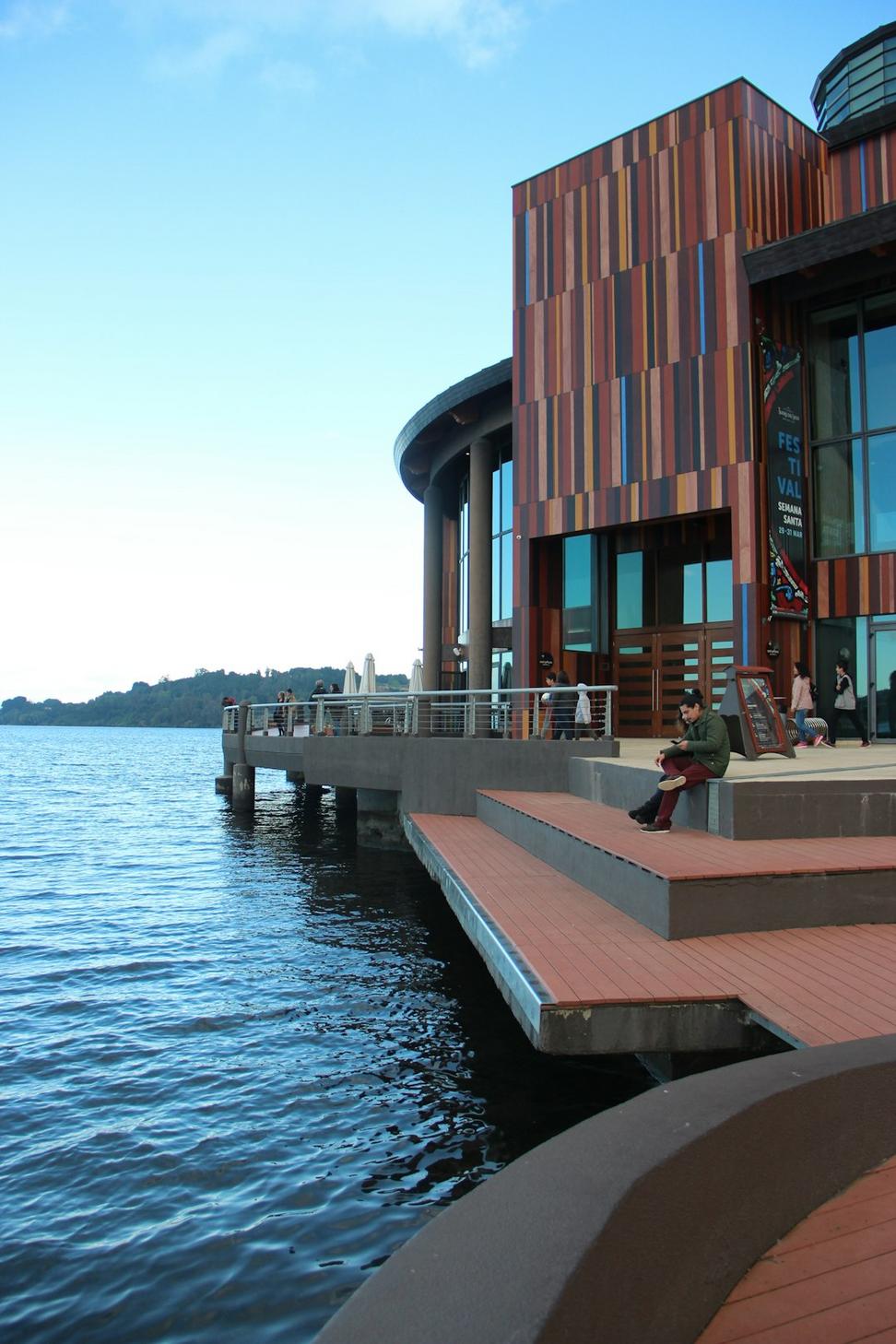
Quick Case Study: The Waterfront Commons

Mixed-use development that actually exceeded its performance targets

  • LEED Platinum + WELL Gold certified
  • 52% energy reduction vs. baseline
  • 100% of water from rainwater harvesting
  • 15-month payback on green tech investment
View Full Project
Waterfront Commons Building

Tech Stack We're Using

Software and tools that actually make a difference in our workflow

Energy Modeling

Using IES-VE and DesignBuilder for detailed energy analysis. They're not cheap, but the accuracy is worth it when you're making million-dollar decisions about HVAC systems.

Climate Analysis

Ladybug + Honeybee plugins for Grasshopper let us run solar studies, natural ventilation analysis, and daylight simulations right in our modeling environment. Game-changer for early design.

LCA Software

Tally and OneClick LCA for life-cycle assessments. Helps us understand the full environmental impact of material choices, not just the upfront stuff.

Real Talk: Where We're Still Figuring Stuff Out

Nobody's perfect, and sustainable architecture is constantly evolving. Here's what keeps us up at night:

Embodied Carbon vs. Operational Energy

As buildings get more efficient, the carbon embedded in materials becomes a bigger piece of the pie. We're getting better at tracking this, but the data's still inconsistent across suppliers.

Cost Barriers

Let's be honest - some green tech still costs more upfront. We try to show clients the long-term ROI, but not everyone's in a position to wait 7 years for payback. We're working on optimizing what gives the most environmental bang for the buck.

Performance Gap

Sometimes buildings don't perform as modeled. Could be construction issues, could be how people actually use the space. We're trying to narrow that gap through better contractor communication and user education.

Local Material Sourcing

We'd love to source everything locally, but BC's manufacturing landscape has limits. Sometimes the "sustainable" choice involves shipping materials farther than we'd like. It's a constant trade-off analysis.

Wanna Talk Sustainable Design?

Whether you're planning a new project or just curious about green building approaches, we're happy to chat. No hard sell, just honest conversation about what's possible.